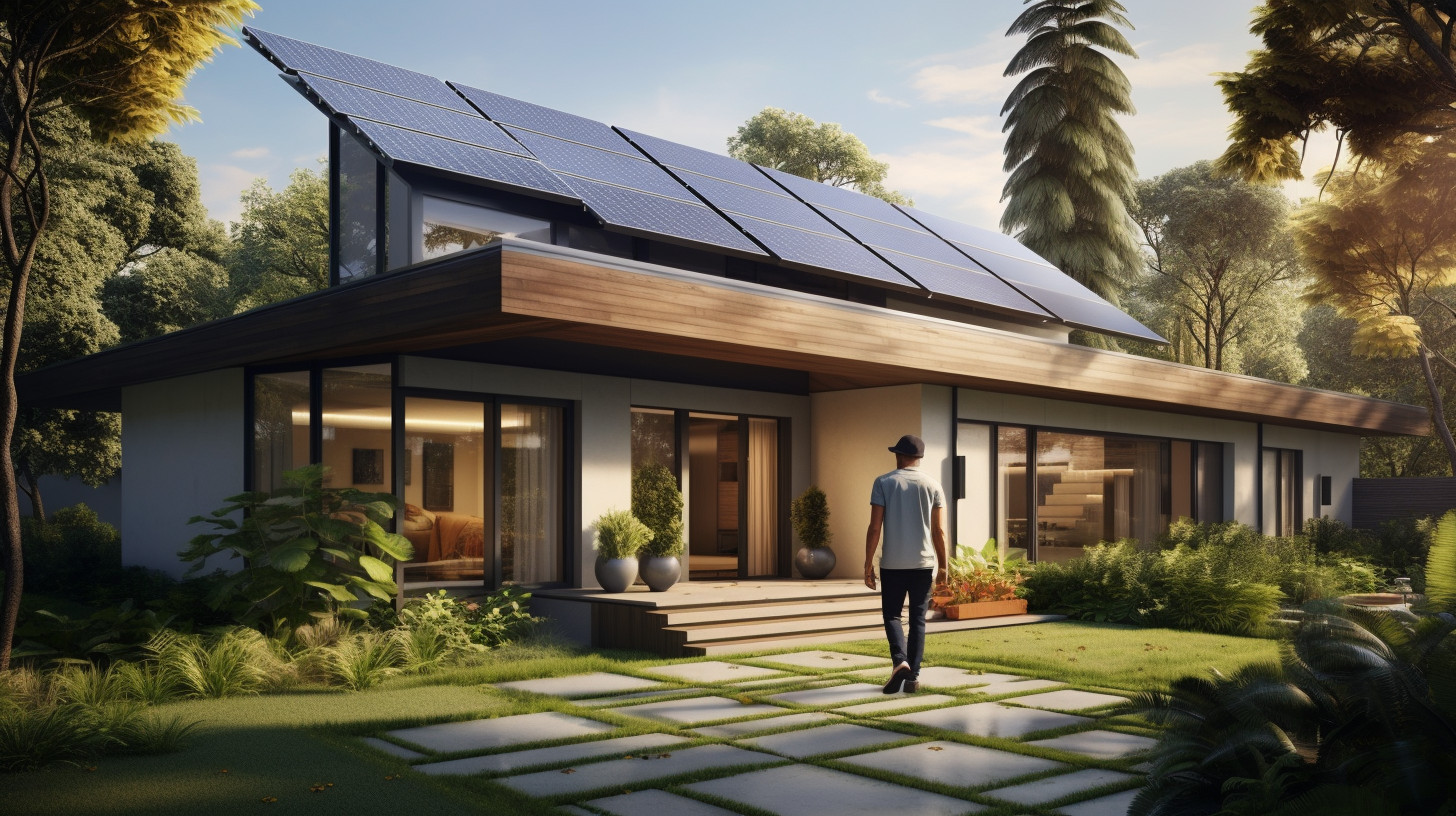
A Guide To Investing In Green Real Estate
Looking for the perfect sustainable property to invest in? It can be overwhelming, but don't worry - we've got some tips to help you find your dream eco-friendly home.
First and foremost, start by doing your research. Look for areas that are known for sustainable living and eco-friendly practices. This will give you a good idea of where to begin your search.
Next, connect with a real estate agent who specializes in green properties. They'll have access to listings and knowledge about properties that may not be advertised widely. Plus, they can help guide you through the buying process and ensure that the property meets all necessary sustainability standards.
Don't be afraid to ask questions and do your due diligence when it comes to inspecting the property's sustainability features. Check for things like energy-efficient appliances, solar panels, rainwater harvesting systems, and insulation materials made from recycled products.
By being thorough in your search and taking the time to find the right green property investment opportunity, you'll not only make a wise financial decision but also contribute towards a more sustainable future.
Understanding Sustainable Building Practices
To truly embrace sustainability in construction, you must understand the importance of sustainable building practices. Builders should treat each material like a puzzle piece that fits together perfectly, creating a strong and efficient structure like a well-oiled machine. This means using sustainable materials, such as recycled steel or bamboo flooring, and designing buildings that optimize natural light and ventilation.
Here are three key sustainable building practices to keep in mind:
- Passive design: This approach involves designing buildings to maximize energy efficiency without relying on mechanical systems. Natural lighting, shading, and ventilation can all be optimized to reduce energy consumption.
- High-performance insulation: Insulation is crucial for reducing energy loss and improving indoor air quality. Choose insulation made from safe materials like wool or cellulose instead of traditional fiberglass.
- Water conservation: Incorporate water-saving features into your building design such as low-flow toilets and faucets, rainwater harvesting systems for irrigation or greywater reuse.
Remember, incorporating these sustainable building practices into your real estate investments can't only benefit the environment but also increase property value and attract eco-conscious tenants. As an expert in real estate investment with a focus on sustainability, it's important to prioritize these practices when seeking out green real estate opportunities for yourself or clients.
Incorporating Renewable Energy Sources
You can make a significant impact on the environment and save money in the long run by incorporating renewable energy sources into your building design. By installing solar panels, wind turbines, or geothermal systems, you can generate your own energy and reduce your reliance on fossil fuels. This not only helps to reduce carbon emissions but also lowers your operation costs.
When considering renewable energy sources for your green real estate investment, it is important to weigh the pros and cons of each option. Solar panels are widely used and have a proven track record of success. Wind turbines require more space but can generate larger amounts of energy, making them ideal for larger properties. Geothermal systems rely on natural heat from the earth's core and can provide both heating and cooling for a property.
To help you decide which renewable energy source is right for you, consider using this table:
| Renewable Energy Source | Pros | Cons |
|---|---|---|
| Solar Panels | - Widely used - Proven track record - Low maintenance | - High upfront cost - Dependent on sunlight - Limited power output |
| Wind Turbines | - Can generate large amounts of energy - Low operating cost once installed | - Require more space than solar panels - Dependent on wind patterns |
| Geothermal Systems | - Can provide both heating and cooling - Highly efficient once installed | - Requires drilling into the ground - Upfront costs can be high |
Investing in green real estate with renewable energy sources not only benefits the environment but also provides long-term financial savings. By weighing the pros and cons of each option, you can make an informed decision about which system is best suited for your property needs. Don't miss out on this opportunity to make a positive impact while also reaping financial benefits in the long run!
Maximizing Profitability through Energy Efficiency
Now that you've learned about incorporating renewable energy sources into your green real estate investment, it's time to explore another way to maximize profitability: energy efficiency. By reducing the amount of energy your property consumes, you not only save money on utility bills but also increase its value in the long run.
There are many ways to improve a property's energy efficiency, from installing high-efficiency HVAC systems and LED lighting to insulating walls and windows. These upgrades may require an initial investment, but they pay off in the form of lower operating costs and increased tenant satisfaction. Plus, as eco-consciousness continues to grow among consumers, properties with high levels of energy efficiency will become more attractive in the market.
To ensure that your energy-efficient upgrades are making a significant impact on your bottom line, consider conducting regular audits of your property's energy consumption. This will help identify areas where improvements can be made and give you a better understanding of how much money you're saving through these upgrades.
Additionally, don't forget to advertise these improvements to potential tenants or buyers; highlighting your commitment to sustainability can be a selling point for those who prioritize eco-friendly living options.
Utilizing Green Spaces and Landscaping
If you want to stand out in the market and attract tenants who value sustainability, consider utilizing green spaces and landscaping on your property. Not only do they create a more welcoming environment for residents, but they also contribute to the overall health of the planet.
By incorporating green spaces into your property, you can reduce energy consumption and improve air quality. One way to do this is by planting trees strategically around the property. Trees provide shade during hot summer months, which can lower cooling costs for both tenants and building owners alike. Additionally, they absorb carbon dioxide from the atmosphere, reducing greenhouse gas emissions associated with heating and cooling.
Another option is to install rain gardens or bioswales on your property. These features are designed to capture stormwater runoff from buildings and paved surfaces before it enters local waterways. By filtering pollutants such as oil, grease, and fertilizers from this water, rain gardens help protect aquatic ecosystems while also recharging groundwater supplies.
Don't forget about rooftop gardens! They not only reduce heat island effects in urban areas but also provide space for community gardening initiatives where tenants can grow their own fruits and vegetables. This creates a sense of community among residents while promoting healthy eating habits and reducing food transportation emissions.
By implementing these simple yet effective landscaping strategies on your property, you're not only improving its aesthetic appeal but also investing in a sustainable future that will benefit everyone involved in the long run.
The Future of Green Real Estate Investment
Picture a prosperous future where properties prioritize sustainability, promoting planet-friendly practices and policies. This is the direction green real estate investment is heading towards. As more people become aware of the impact of climate change, they are looking for ways to invest their money in sustainable ventures that can also generate returns.
Green real estate investment offers a win-win situation for investors who want to make a difference while earning profits. The demand for eco-friendly buildings and homes is rising as people realize the benefits of living in healthy environments. According to a report by Grand View Research, the global green building market size was valued at USD 326.5 billion in 2019 and is expected to grow at a compound annual growth rate (CAGR) of 11% from 2020 to 2027.
As an investor, it makes sense to consider investing in green real estate because it has several advantages over traditional real estate investments. Not only does it help reduce carbon emissions and promote sustainability, but it also attracts tenants who are willing to pay premium rents for environmentally-friendly spaces. Additionally, government initiatives such as tax credits and incentives make green real estate even more attractive to investors looking for long-term gains while contributing positively towards building a better world.
| Advantages | Disadvantages |
|---|---|
| Environmentally friendly | Higher initial costs |
| Lower operating expenses | Limited availability |
| Attracts premium tenants | Requires specialized knowledge |
| Positive public image | Longer ROI period |
| Government incentives available | Risk of changing regulations |
Investing in green real estate provides an opportunity for investors to make socially responsible investments that benefit both the environment and their bank accounts. With increasing awareness about climate change, there has never been a better time than now to invest in sustainable ventures that have potential long-term gains while contributing positively towards building a better world. By considering the advantages and disadvantages listed above, you can make informed decisions when investing your money in green real estate.
Frequently Asked Questions
What are some potential risks of investing in green real estate?
Investing in green real estate can have risks such as a lack of demand, higher upfront costs, and uncertainty in government policies. It's important to do your research and work with a knowledgeable real estate agent to mitigate these risks.
How does investing in green real estate compare to traditional real estate investments?
Investing in green real estate allows you to reduce your carbon footprint and save costs on energy usage. Compared to traditional real estate investments, it requires more upfront investment but can lead to long-term financial benefits and a sense of social responsibility.
Are there any tax incentives or rebates available for investing in sustainable properties?
"You're in luck! There are plenty of tax incentives and rebates available for investing in sustainable properties. From federal tax credits to state-level programs, you can save big while doing your part for the planet." 'Additionally, investing in sustainable properties can also lead to long-term savings on energy and water bills, making it a smart financial decision in the long run.'
How do you evaluate the environmental impact of a green real estate investment?
To evaluate the environmental impact of a green real estate investment, look for certifications like LEED or Energy Star. Check the building's energy efficiency, water usage, and materials used. Work with reputable experts for guidance.
What is the average return on investment for green real estate properties?
Looking to invest in green real estate? The average ROI for sustainable buildings is 19.2% compared to traditional buildings at 6.6%. Trustworthy sources show that the market is growing, and you can be a part of it!
Conclusion
Congratulations, you now have a good understanding of investing in green real estate! By investing in sustainable properties, you're not only helping the environment but also maximizing your profitability.
Green spaces and landscaping increase property value, while incorporating renewable energy sources can lower expenses and attract eco-conscious tenants. Understanding sustainable building practices is crucial to ensure long-term success.
However, it's important to note that the future of green real estate investment is still uncertain. While it's likely that demand for sustainable properties will continue to grow, government policies and market trends may change at any time.
As an expert in real estate and sustainable investment, make sure to stay up-to-date on the latest developments in this field so that you can make informed decisions when it comes to investing in green real estate.